
Art Therapy

Art can do more than decorate walls—it can also support healing. Art therapy is a powerful mental health tool that allows people to express, reflect, and grow through creative processes. Whether through painting, journaling, or coloring, art therapy creates a safe space to process emotions and build self-awareness.
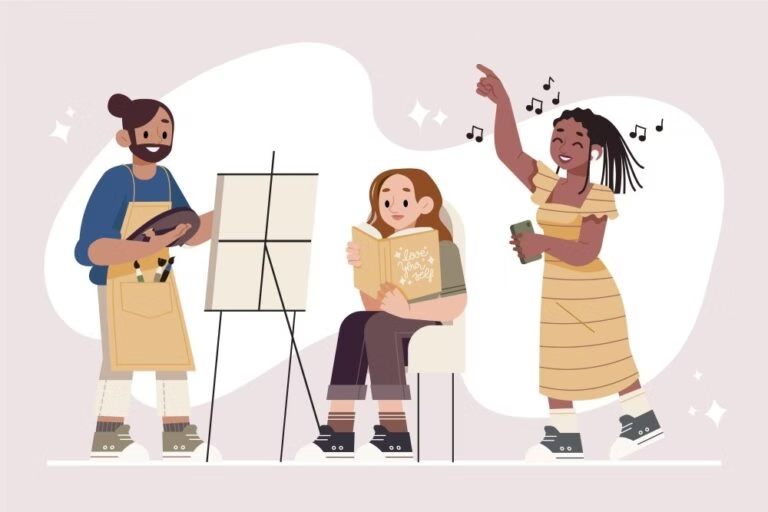
What Is Art Therapy?
Art therapy is a recognized mental health profession that uses creative expression to support emotional healing. It involves guided art-making—such as drawing, painting, sculpting, or collage—under the support of a trained therapist. The goal isn’t to make “perfect” art. It’s to explore feelings and experiences in a way that words sometimes can’t.
How It Works
Art therapy taps into the sensory and emotional side of the brain. Through the act of creating, individuals are given an alternative way to receive and communicate information. This creative process empowers people to express themselves, process trauma, and take steps toward healing—especially when verbal communication feels difficult.
Key Benefits of Art Therapy
Reduces stress and anxiety
Improves relationships and emotional closeness with loved ones
Creates a calm and relaxing environment
Builds self-worth and confidence
Provides space for growth, self-reflection, and healing
Whether used as part of a treatment plan or on its own, art therapy meets people where they are—and helps them move forward.
Art therapy proves that healing doesn’t have to be linear or verbal. Sometimes, putting color to paper is the most honest way to begin. Everyone has the capacity to create—and through that creation, to heal.


Comments