
Physical Activity on Mental Health

Moving your body isn’t just about physical fitness—it’s a powerful tool for mental wellness too. Regular physical activity is linked to improved mood, reduced stress, and a stronger sense of confidence and clarity. Whether you’re walking outside or dancing in your room, every step counts toward supporting your mental health.
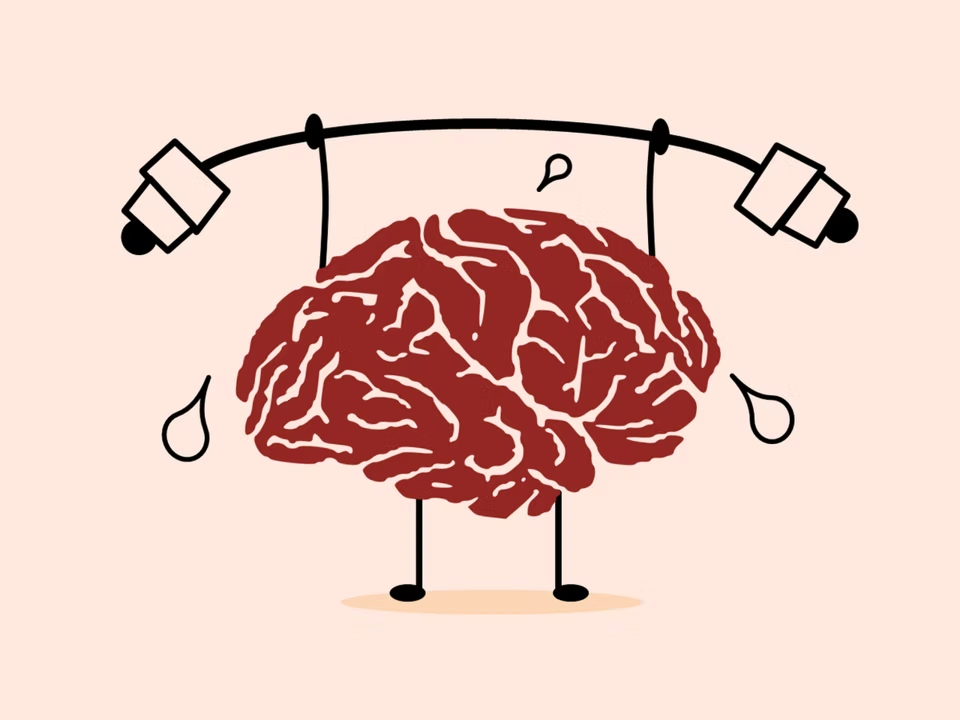
Mental Health Benefits of Physical Activity
Here are just a few ways exercise helps your mind, not just your body:
Boosts self-esteem
Decreases stress and mental fatigue
Enhances mood and emotional regulation
Increases focus, motivation, and productivity
Builds a sense of accomplishment and progress
Even light activity can create mental clarity and a stronger sense of calm.
Examples of Activities That Work
There’s no one “right” way to move. The best exercise is the kind you enjoy. Try out:
Walking or running
Riding a bike
Dancing to your favorite playlist
Swimming or yoga
Playing sports
Gardening or light outdoor chores
All forms of movement count—and they all support your mental health.
How Much Should You Be Doing?
Experts recommend aiming for about 2.5 hours of moderate-intensity physical activity per week—that’s just 30 minutes a day, five days a week. But this isn’t one-size-fits-all. Your energy levels, mental health, and physical ability can all affect what’s realistic. Start where you are, and listen to your body.
Tips to Get Started
Set SMART goals – Specific, Measurable, Achievable, Relevant, Time-bound
Start slow – It’s okay to ease in gradually
Choose activities that feel right for you – Fun matters
Make time for movement – Build it into your day like any other important task
You don’t have to run marathons to support your mental health. Just keep moving, stay consistent, and remind yourself that even small efforts matter. Your mind and body will thank you.


Comments