
Student Stress

School isn’t just about academics—it’s also about managing pressure, expectations, and constant deadlines. For many students, the stress of trying to keep up can take a serious toll on mental health. Knowing how to recognize and manage this stress is the first step toward balance and well-being.
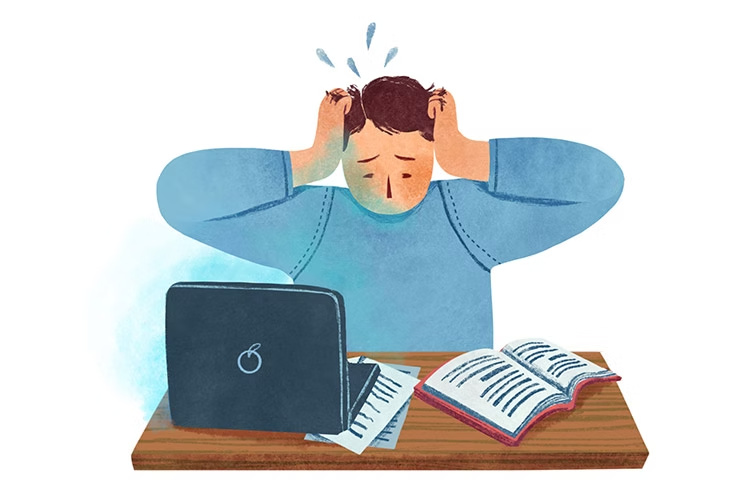
What Is Stress?
Stress is the body’s physical and mental response to a challenging or overwhelming situation. In the case of students, it’s often triggered by academic expectations, grades, workload, or personal pressure to succeed.
You might experience stress as racing thoughts, irritability, trouble sleeping, or feeling like there’s just too much on your plate. If left unchecked, this kind of stress can build over time and lead to burnout or anxiety.
Signs That Stress Is Affecting You
Feeling overwhelmed or constantly behind
Skipping meals or sleep to meet deadlines
Avoiding schoolwork because it feels too heavy
Difficulty focusing or staying motivated
Mood swings, frustration, or isolation
If any of this sounds familiar, it’s important to pause and check in with yourself.
What You Can Do
Here are a few simple ways to manage academic stress before it becomes too much:
Practice time management. Planning your day, breaking down big tasks, and avoiding last-minute work can reduce pressure significantly.
Prioritize your health. Make sure you’re getting enough sleep, eating regular meals, and taking meaningful breaks. These habits build your mental stamina.
Ask for help. Don’t keep stress to yourself. Talk to a teacher, counselor, parent, or peer if you’re struggling. You don’t have to do this alone.
Why Early Action Matters
Stress doesn’t go away on its own—it tends to build if we don’t address it. Catching it early through awareness, small adjustments, and support can make a huge difference in both mental health and academic performance.
Take care of your mind the same way you care for your grades. Both deserve your attention.


Comments